
How 25 Stocked SKUs Become 300 Tool Set Configurations
A look at the configuration logic behind a consolidated hardware range, and why piece count on its own is a weak way to specify a kit.
A look at the configuration logic behind a consolidated hardware range, and why piece count on its own is a weak way to specify a kit.
Buyers often ask how many tool sets we make. The honest answer needs two numbers, because they describe different things. Around 25 single-item SKUs are kept as stocked lines. Those items are the building blocks for 300 standard tool set configurations. One number is inventory; the other is a menu of combinations.
This article explains how we get from the first number to the second, and why we ask about the job, the shelf and the budget before we discuss how many pieces go in a case. It is written from the way our own range is organised, not as a generic buying guide.
Start with the job, then the channel, then the count
A household repair kit, a DIY retail kit, an automotive service kit, a professional trade assortment and a promotional gift set can all be built from similar components. What changes is which components matter, how they are presented and what the buyer can charge for them.
So the first inputs to a configuration are the intended use, the budget band and the sales channel. Only after those are written down do we fix the tool list, the tray layout and the piece count. Asking for "a 100-piece set" first tends to produce a case padded with duplicate bits, which is a common complaint among distributors.
- Use case: household repair, DIY, automotive repair, professional work, garden maintenance or promotional gifting
- Channel: hardware retail, e-commerce listing, wholesale carton, trade counter or gift programme
- Budget band: defines case format, finish level and which accessories stay in the set
- Then: tool types, sizes, quantities, tray layout and packaging
Why a component library matters more than a large catalogue
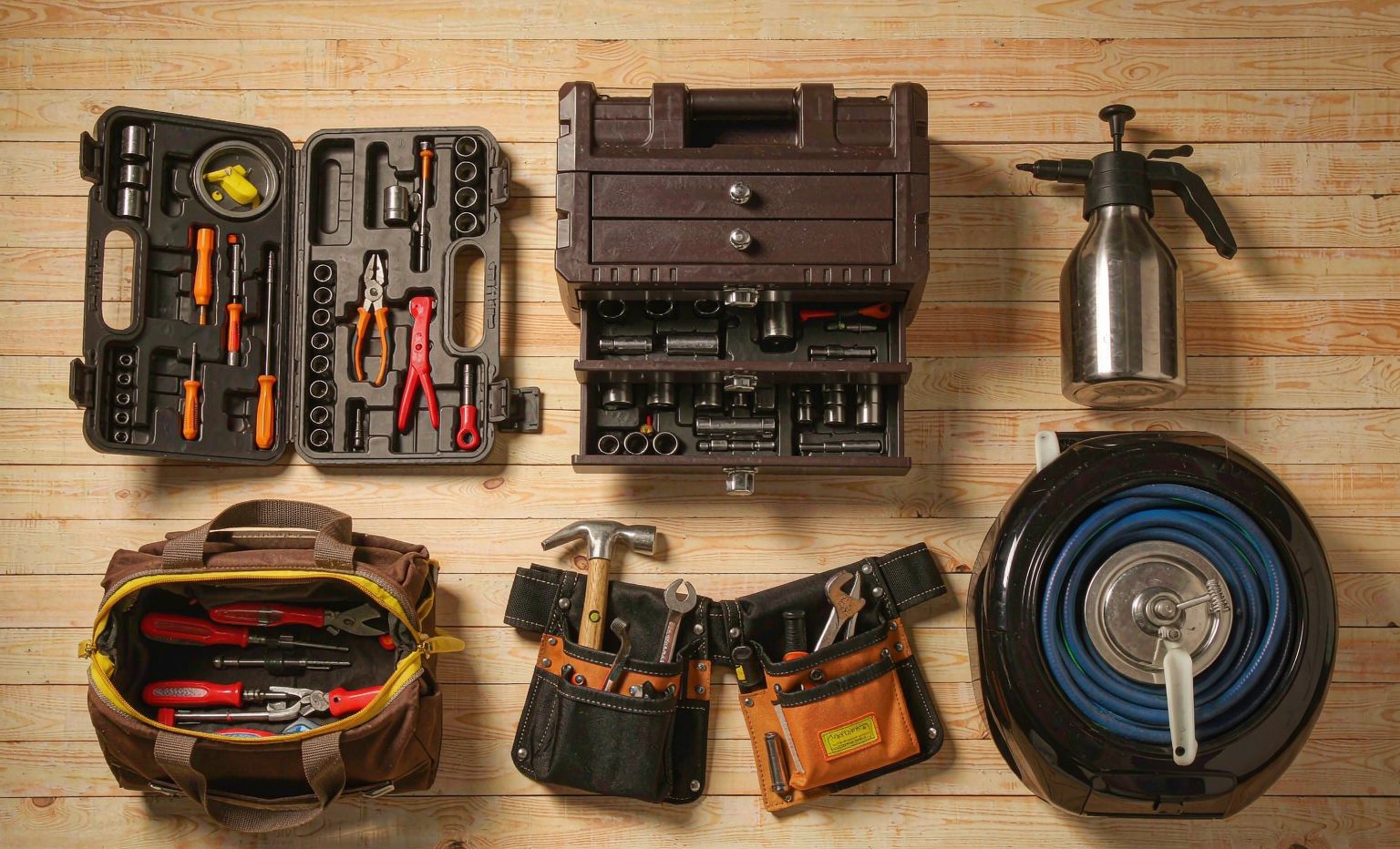
A consolidated range works when the underlying items are stable. Our stocked single-item lines cover the categories that recur across kits: hand tools, storage, belts and workwear, garden and watering items, automotive and torque tools, and specialist tools. Each line has a defined place in a configuration rather than being an isolated listing.
Because the components are known, a buyer can start from one of the 300 standard configurations and then add, remove or substitute items. That is a shorter path to an approved sample than designing an assortment from scratch, and it keeps the specification legible for repeat orders.
The three decisions that change a set most
In practice, most adjustments fall into three groups. Getting these into the brief early avoids re-sampling later.
- Tool mix and sizes: which drive sizes, socket depths, bit types or garden fittings actually serve the target jobs.
- Case format: tool box, tool bag or blow-moulded case — this changes protection, shelf presentation and carton quantity.
- Branding depth: logo plate, silk print, label content, colour and instruction manual, all confirmed against the same sample.
Sampling the assortment and the packaging together
A configuration is not finished until the packaging fits it. We develop the packaging alongside the product so that a finished kit is not held up waiting for cartons or printed inserts. The approved reference sample then becomes the basis for kit contents, case layout, label content and the packing list.
We also keep dimensions, weights and carton quantities off the quotation until they have been measured on that approved sample. It is a slower first conversation, but it removes the most common source of disagreement at the shipping stage.
What to send in a configuration brief
A useful brief is short but specific. It lets us return a proposed assortment that can actually be evaluated, rather than a generic price list.
- Destination market and the language required on packaging and manuals
- Target use case, sales channel and price band
- Any mandatory tool list, sizes or exclusions
- Preferred case format and branding elements
- Which documents or inspection points matter for that market
Questions buyers ask
Are the 300 configurations 300 physically different products?
No. They are 300 documented combinations built from around 25 stocked single-item SKUs. We label the two figures separately so buyers do not read the set count as an inventory count.
Can a standard configuration be changed?
Yes. A standard set is a starting point. Tool types, sizes, quantities and the case format can be adjusted, and the revised assortment is confirmed on a reference sample before a production order.
Do you publish piece counts and dimensions for every set?
Piece counts are defined per configuration, but dimensions, weights and carton quantities are only stated after measurement on the approved sample for that specific configuration.
Does a new configuration always need new tooling?
Not necessarily. Adjusting the mix of existing components is different from commissioning a new moulded tray or case, which is treated as a separate sampling step.
This note describes how QD TOOLS carries out sourcing, configuration, packaging and inspection work. It is not a certification statement. Commercial terms, quantities and document availability are confirmed per order in a written quotation.
Related pages
Every navigation item has its own page. Browse the connected ranges and programmes, or send us an enquiry.
Need a concrete assortment?
Tell us the destination market, sales channel and tool mix. We will return a configuration proposal and the current item list.
- Specification-based quotation
- Sample before volume production
- Defined inspection points
- Order-specific packing plan